A Message from the Artistic Director
Dear Audience,
Now in its thirtieth year, Les Boréades continues its mission with the same enthusiasm and passion… for Baroque music. And we are counting on your support more than ever.
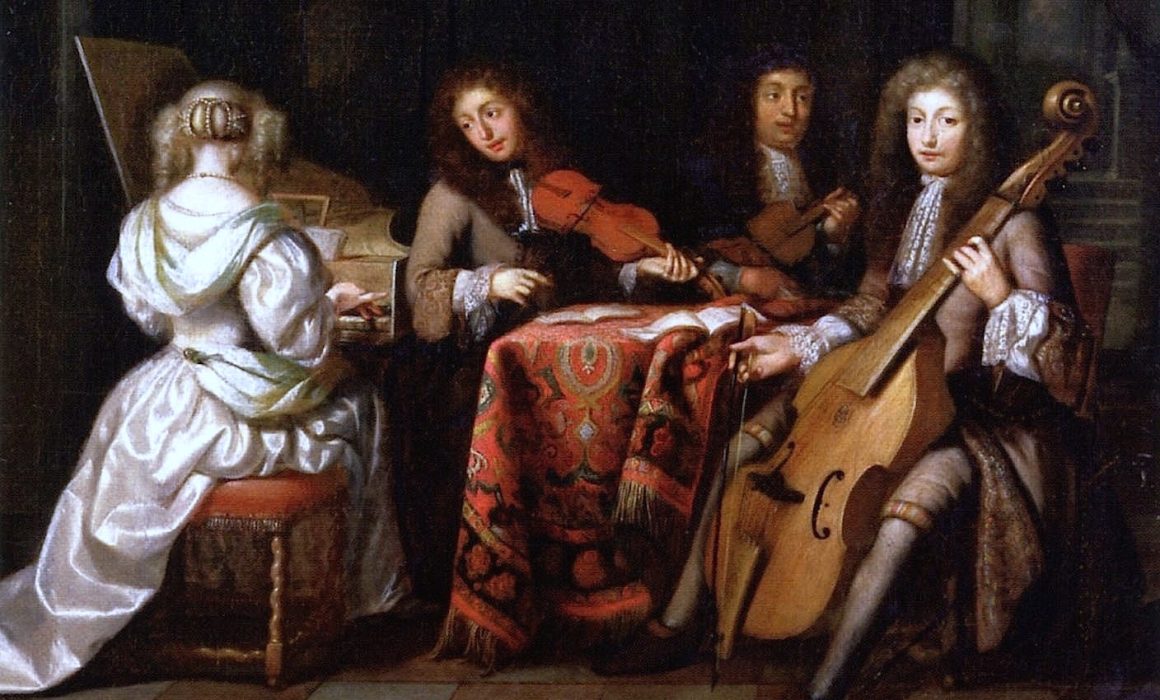
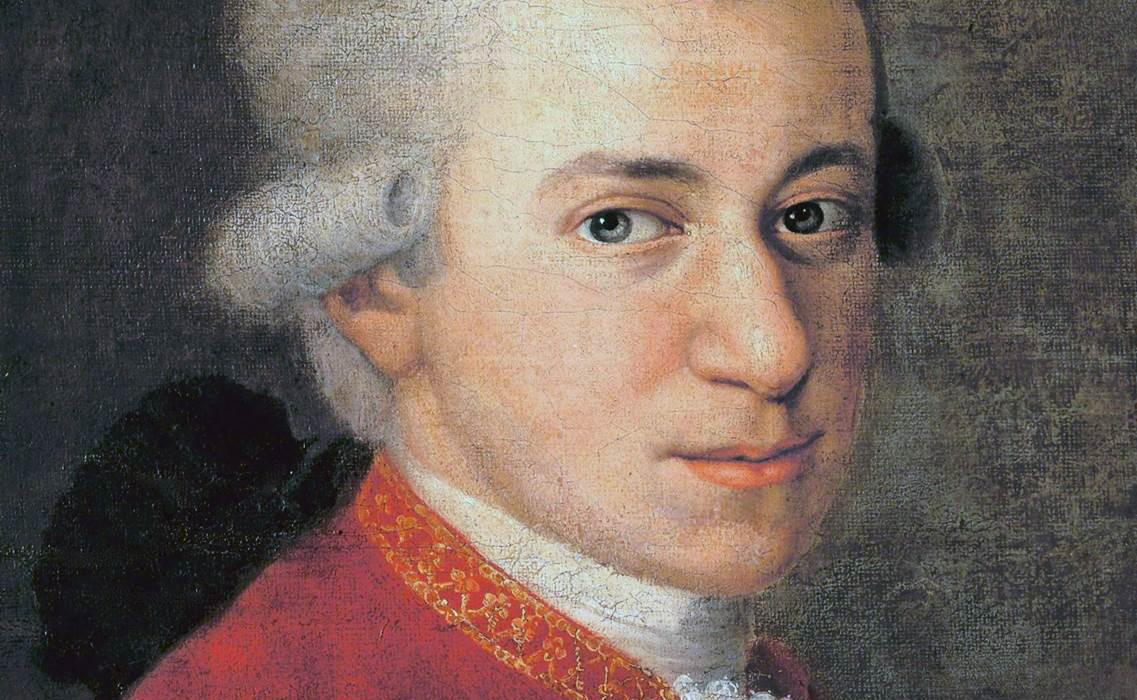
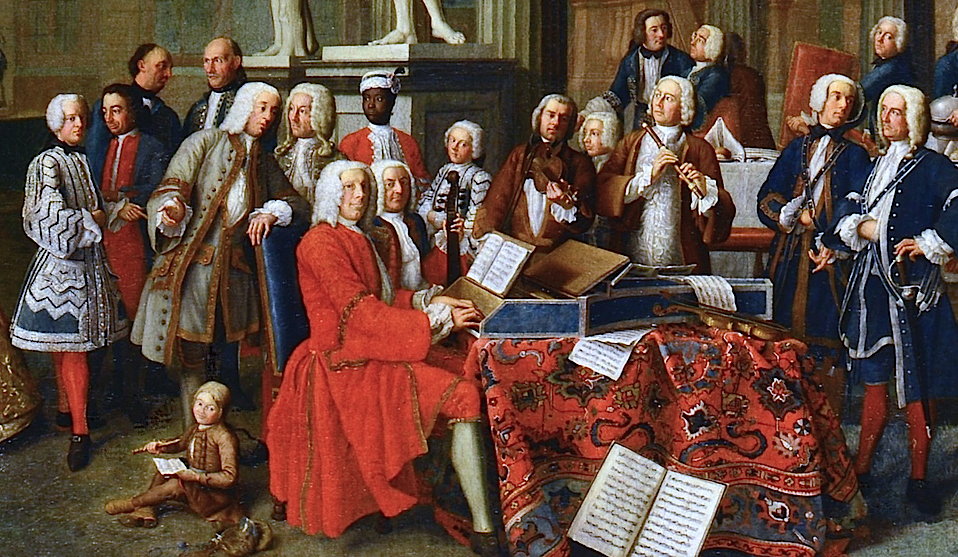
The 2026–2027 season looks very promising, with four highly varied concerts. First, Plaisirs de la conversation presents various 18th-century French compositions conceived as witty exchanges between instrumental partners. For Euroradio’s Christmas broadcast, soprano Jacqueline Woodley joins Les Boréades in a festive Christmas program, Noëls baroques français et mélodies d’hiver. Next, Mozart, sonates de jeunesse presents compositions that are all too rarely heard, despite their composer’s prestige, and which create a dialogue between obbligato keyboard, flute, and violin, blending humor and tenderness. Finally, in collaboration with the Ballet Opéra Pantomime, the Opéra de Montréal, and UBU Compagnie de Création, a large-scale project awaits us: on stage, a very contemporary reinterpretation by composer Jonathan Dawe and director Stéphanie Jasmin of Jean-Baptiste Lully’s “tragedy in music” Atys and its libretto by Philippe Quinault.
For more information or to help you decide, I invite you to check out the detailed descriptions of each of these concerts on the Boréades website.
We look forward to seeing you there this fall!
Francis Colpron
2026-2027 Season
The Pleasures of Conversation
September 24, 2026 – 7:30 p.m. Notre-Dame-de-Bon-Secours
Noëls and Songs of Winter
December 3, 2026 – 7:00 p.m.
Église de la Visitation
Mozart’s Youthful Sonatas
February 4, 2027 – 7:30 p.m. Auditorium des archives nationales
BLOG
MESLANGES HARMONIQUES
Since ancient times, polyphony and various contrapuntal techniques had been used to represent celestial harmony and the immutable movement of the stars, and the correspondence between these phenomena and human […]
Des goûts et des sons
Le goût, c’est la musique des papilles. Léon Daudet Bien qu’ils n’aient cessé d’évoluer depuis, c’est au XVII e siècle, dans ce qu’il faut bien appeler la révolution baroque, […]